Preventive Furnace Maintenance

Protect your investment and ensure reliable warmth all winter with our comprehensive annual tune-up service.

Why Maintenance Matters

Think of your furnace like a car. Regular maintenance keeps it running efficiently and prevents unexpected breakdowns.

⏱️

Extend System Life

Regular maintenance can add years to your furnace lifespan, delaying the significant expense of replacement.

💵

Reduce Energy Costs

A well-maintained furnace runs more efficiently, consuming less fuel to produce the same heat output.

🛡️

Prevent Breakdowns

Most furnace failures happen during peak usage. Maintenance identifies potential issues before they become emergencies.

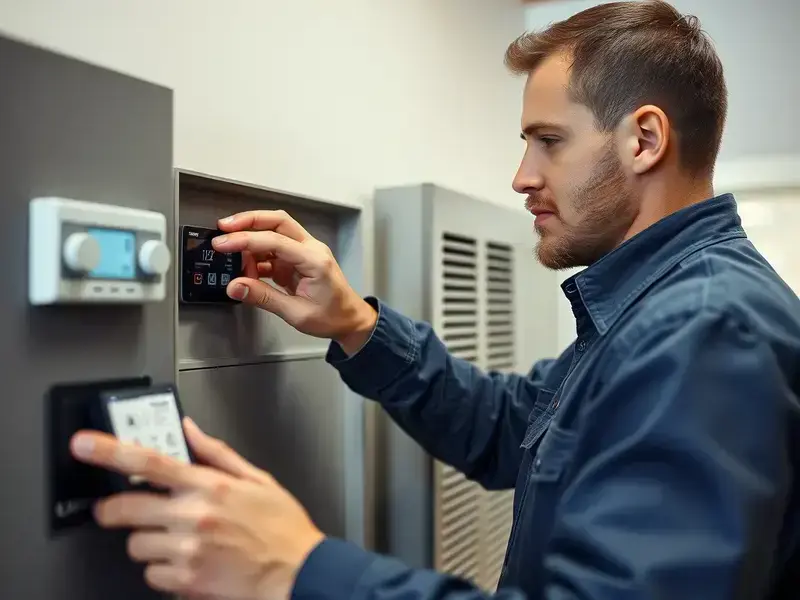
Technician performing preventive furnace maintenance

20-Point Inspection Checklist

Our comprehensive maintenance covers every critical component of your heating system.

✅

System Testing

Complete operational testing including startup sequence, cycling behavior, and shutdown process.

✅

Thermostat Calibration

Verifying accurate temperature readings and responsive control adjustments.

✅

Filter Replacement

Installation of new high-quality filter appropriate for your system and home environment.

✅

Blower Assessment

Motor operation, belt condition, and airflow measurements at all supply vents.

✅

Gas Connection Check

Leak detection and connection tightness verification for safe operation.

✅

Flame Sensor Cleaning

Proper flame detection function is essential for safe furnace operation.

✅

Burner Inspection

Visual inspection of burner flames for proper color and pattern, indicating complete combustion.

✅

Lubrication

Moving parts are lubricated to reduce friction and extend component life.

✅

Electrical Review

Connections checked for tightness and signs of wear or corrosion.

✅

Ventilation Check

Exhaust venting inspected for blockages, damage, or improper connections.

Maintenance Options

Choose the level of protection that fits your needs and budget.

Standard

Essential Tune-Up

Perfect for newer systems under 5 years old with no history of problems. Includes basic inspection and filter replacement.

$129 / year
  • ✓ 15-point inspection
  • ✓ Filter replacement
  • ✓ Written inspection report
  • ✓ 10% repair discount
Schedule Now
Recommended

Complete Protection

Our most popular plan for systems over 5 years or those wanting maximum peace of mind. Comprehensive coverage with priority service.

$179 / year
  • ✓ Full 20-point inspection
  • ✓ Premium filter installation
  • ✓ Thermostat calibration
  • ✓ Priority emergency scheduling
  • ✓ 15% repair discount
Most Popular Choice
Premium

Total Care Program

Ultimate protection including two visits per year (spring and fall) and coverage for one repair annually.

$299 / year
  • ✓ Two maintenance visits/year
  • ✓ $150 credit toward one repair
  • ✓ Waived emergency fees
  • ✓ 20% parts discount
  • ✓ Extended warranty options
Learn More

Best Time for Maintenance

The ideal time for furnace maintenance is in the fall, before heating season begins. This ensures your system is ready for the coldest months and allows time to address any issues discovered during inspection.

We recommend scheduling in September or October for best availability. However, we service systems year-round, including mid-winter tune-ups if needed.

Book Maintenance

Maintenance Questions

Fall is ideal—September through November—before temperatures drop significantly. This ensures your system is ready for winter and allows time for any necessary repairs. However, we perform maintenance year-round if you've missed the fall window.

Yes. Well-maintained systems operate more efficiently, which lowers energy costs. More importantly, maintenance catches small problems before they become expensive repairs or complete system failures. Many customers find the service pays for itself in avoided repair costs alone.

We provide a detailed written report of any issues found, with explanations and photos. You'll receive a clear estimate for any recommended repairs. There's never pressure to proceed—we believe in informed decision-making so you can choose what works for your situation.

No system is too new. In fact, new systems benefit from baseline documentation that establishes proper operation. This gives us a reference point for future maintenance and helps identify any issues with the initial installation.